
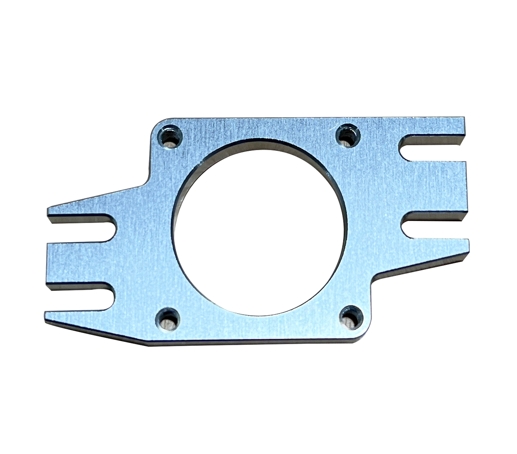
One of the key processes in the production of precision machining parts is the casting process. This process involves the use of a mold to create a desired shape by pouring a material, such as metal, into the mold and allowing it to solidify. The casting process steps are critical in ensuring that the final product meets the required specifications and quality standards.
The first step in the casting process is patternmaking. This involves the creation of a pattern, which is a replica of the final part that will be cast. The pattern is typically made of wood, metal, or plastic and is used to create the mold in which the material will be poured. Patternmaking requires a high level of precision and attention to detail to ensure that the final product will meet the required specifications.
Once the pattern has been created, the next step is mold preparation. This involves the placement of the pattern in a molding material, such as sand, to create a cavity that will hold the material being cast. The mold must be carefully prepared to ensure that it will create a precise and accurate replica of the pattern.
The material used for casting is then prepared and poured into the mold. This material is typically heated to a high temperature to ensure that it will flow easily and fill the entire cavity of the mold. The pouring process requires careful control to ensure that the material fills the mold evenly and without any defects.
After the material has been poured, it is allowed to cool and solidify. This solidification process is critical in ensuring that the final product will have the desired properties and characteristics. Once the material has solidified, the mold is removed, and the final part is carefully cleaned and finished to remove any excess material and achieve the required surface finish.
Throughout the entire casting process, quality control measures are in place to ensure that the final product meets the required specifications and standards. This may involve the use of non-destructive testing methods, such as x-ray or ultrasound, to check for any internal defects or inconsistencies in the material.
GPM has invested in state-of-the-art equipment and technology to ensure that its casting process meets the highest quality standards. The company's dedication to precision and excellence has earned it a reputation as a trusted partner for businesses in a wide range of industries.
In addition to its commitment to quality, GPM also focuses on continuous improvement and innovation in its casting process. The company's team of experienced engineers and technicians are constantly exploring new technologies and techniques to enhance the casting process and improve the quality of its products.
GPM's dedication to excellence in the casting process has positioned the company as a leader in the production of precision machining parts. Its focus on quality, innovation, and continuous improvement has enabled it to meet the needs of its customers in industries such as precision instruments, optics, robotics, new energy, biomedical, semiconductor, and more.
As GPM continues to grow and expand its capabilities, it remains committed to providing the highest quality products and services to its customers. With its dedication to precision and excellence, GPM is well-positioned to meet the evolving needs of the industries it serves and remain a leader in the production of precision machining parts.