
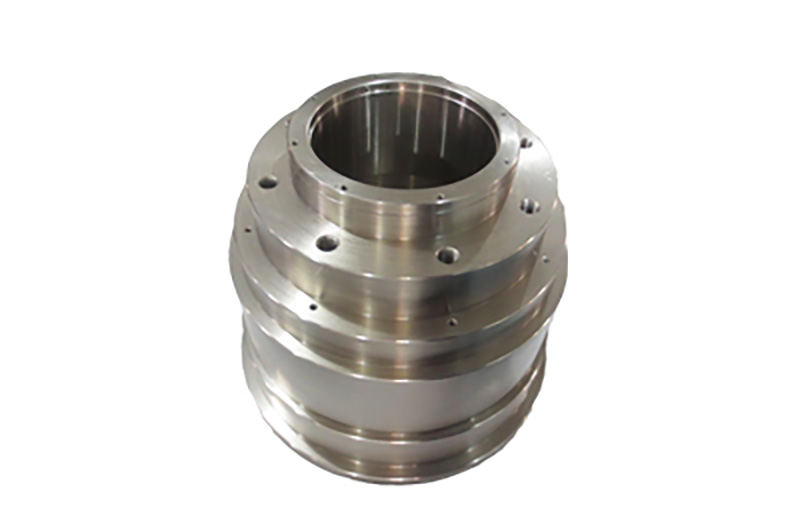
Established in 2004, GPM has steadily built a reputation as a leader in customized precision machining parts, module assembly, and equipment integration services. Catering to industries such as precision instruments, optics, robotics, new energy, biomedical, and semiconductor sectors, the company’s unwavering focus on quality and innovation has helped it maintain a competitive edge in an evolving technological landscape. Central to their success is the mastery of CNC milling operations, a cornerstone process in precision manufacturing. This news story explores the best CNC milling operations practices, highlighting how GPM exemplifies excellence in the field.
### The Critical Role of CNC Milling in Modern Manufacturing
CNC (Computer Numerical Control) milling is a cornerstone of modern manufacturing, enabling the creation of intricate parts with exacting precision. Utilizing programmed computer software to control machine tools such as mills, routers, and lathes, CNC milling allows for repeatable and high-accuracy craftsmanship that manual methods often cannot match. The process has revolutionized industries, from aerospace to biomedical engineering, by enabling the production of complex geometries and high-tolerance components with superior consistency.
Given the critical role precision plays in sectors like optics and semiconductors, CNC milling’s ability to shape materials—including metals, plastics, and composites—with sub-micron accuracy is vital. It facilitates faster prototyping, reduces waste, and increases overall productivity, making it indispensable for companies striving to meet rigorous quality standards.
### Best CNC Milling Operations: Key Practices
Achieving best-in-class CNC milling operations requires a multi-faceted approach combining advanced machinery, skilled operators, and rigorous process controls. Here are some of the most important practices that define excellence in CNC milling:
**1. Advanced Machine Selection and Maintenance**
The foundation of quality CNC milling is the use of high-precision, reliable milling machines equipped with the latest control systems. Regular maintenance and calibration are essential to maintaining machine accuracy, preventing unexpected downtimes, and ensuring consistent output quality.
**2. Precision Programming and Simulation**
Experienced programmers use sophisticated CAD/CAM software to design parts and generate optimized tool paths. Simulations help detect and correct any potential collisions or tool inefficiencies before actual machining, reducing errors and material waste.
**3. Tooling Optimization**
Choosing the right tools and cutting parameters is crucial. High-quality end mills, drills, and inserts tailored to the material characteristics ensure efficient cutting and longer tool life, improving surface finish and dimensional accuracy.
**4. Quality Control and Inspection**
Implementing rigorous in-process monitoring and final inspection protocols using coordinate measuring machines (CMM), optical measurement systems, and other metrology tools ensures that parts meet exact specifications. Real-time feedback loops enable immediate corrections where necessary.
**5. Skilled Workforce Training**
Operational excellence demands continuous training of programming, setup, and machine operators on the latest industry developments and machine features. Skilled personnel are essential for troubleshooting and process optimization.
**6. Environmental and Process Stability**
Controlling shop floor conditions such as temperature, humidity, and vibration contributes to machining stability. Process standardization and documentation enable repeatable, reliable production runs.
### GPM’s Commitment to Excellence in CNC Milling
Since its inception in 2004, GPM has incorporated these best practices into its workflow, ensuring consistent delivery of high-quality precision parts and assemblies. The company’s specialized focus on industries like biomedical and semiconductors, which require ultra-precise machining, has driven continuous investment in advanced CNC milling centers and state-of-the-art metrology equipment.
GPM’s machining experts leverage in-depth knowledge of materials such as titanium, stainless steel, aluminum alloys, and specialty polymers. Their expertise supports demanding applications such as optical component housings, robotic arms, medical implant parts, and semiconductor process modules.
Beyond technical prowess, GPM emphasizes close collaboration with clients to tailor machining strategies according to their unique requirements. Their integrated module assembly and equipment integration capabilities further streamline production processes, enabling quicker time-to-market without sacrificing quality.
### Driving Innovation in Key Industries
The sectors served by GPM—precision instruments, optics, robotics, new energy, biomedical, and semiconductors—demand not only accuracy but also adaptability and responsiveness. For example:
- **Optics**: Precision milled components must support exact alignment and minimal distortion, critical for lenses and sensor mounts.
- **Robotics**: CNC milling creates complex joints, housings, and linkages that require durability and tight tolerances.
- **New Energy**: Components for solar panels, fuel cells, and batteries depend on CNC precision for efficiency and safety.
- **Biomedical**: Implantable devices and surgical tools require biocompatible materials machined to exacting standards.
- **Semiconductor**: Parts used in wafer fabrication and inspection equipment must maintain sub-micron accuracy and smooth surface finishes.
By delivering superior CNC milled parts tailored to these applications, GPM supports innovation and operational excellence in these cutting-edge domains.
### Looking Ahead
As manufacturing technologies advance, CNC milling operations continue to evolve. Trends such as autonomous machining, increased automation, and integration with additive manufacturing promise to enhance precision and efficiency further. GPM remains committed to staying at the forefront of these developments, continuously upgrading its equipment and expertise to better serve the growing demands of high-tech industries.
### Conclusion
Excellence in CNC milling operations is no accident. It requires a strategic blend of technology, skilled personnel, and disciplined quality control—all of which are hallmarks of GPM’s approach. Since 2004, the company has demonstrated unwavering dedication to customized precision machining and integrated services that empower clients across diverse high-tech sectors. As industries become ever more complex and quality-driven, mastering CNC milling operations remains pivotal—and GPM is well-positioned to continue leading the way.
---
This detailed exploration underscores why CNC milling is indispensable to precision manufacturing and how companies like GPM exemplify best practices to meet today’s exacting demands.