
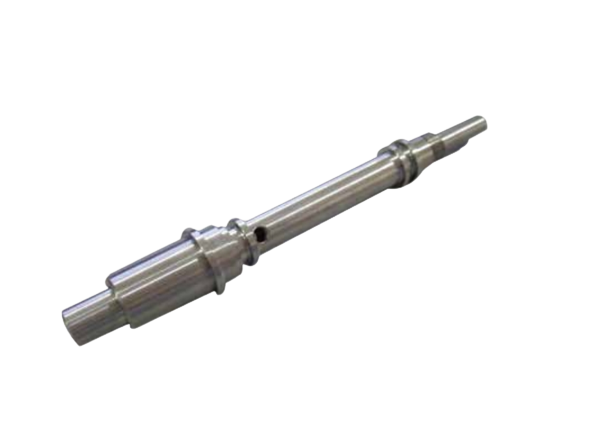
Established in 2004, GPM has steadily positioned itself as a frontrunner in customized precision machining parts, module assembly, and equipment integration services. Serving critical and cutting-edge industries such as precision instruments, optics, robotics, new energy, biomedical, and semiconductors, the company remains committed to innovation and quality. In line with this mission, recent developments in the metal casting process are set to transform precision manufacturing standards, enhancing efficiency, durability, and performance across numerous applications.
### The Metal Casting Process: A Backbone of Precision Manufacturing
Metal casting remains a fundamental technique in manufacturing, particularly for creating complex parts with intricate geometries and tight tolerances. The process involves pouring molten metal into a mold where it solidifies into the desired shape. Traditionally used for parts ranging from automotive components to aerospace alloys, recent advancements in metal casting technology are improving the quality, precision, and environmental footprint of the process.
These advancements are essential in sectors relying on high-precision components. For example, in the optics and semiconductor industries, slight variations in component dimensions can lead to significant performance degradation. Therefore, enhanced metal casting methods supporting fine tolerances are vital to maintaining product standards and meeting the rigorous demands of modern technologies.
### Modern Techniques Driving Metal Casting Innovation
Among the leading improvements are advanced mold materials, precise temperature controls, and simulation-driven designs. Innovations in mold materials — using ceramics or high-grade alloys — have increased mold longevity and thermal stability, allowing for more consistent and repeatable castings. Temperature control systems have become more sophisticated, enabling manufacturers to achieve optimal metal flow and solidification rates, which minimize defects like porosity or shrinkage.
Furthermore, computer-aided simulations allow engineers to model the casting process before production begins, identifying potential flaws and adjusting parameters proactively. This method reduces waste and shortens production cycles by ensuring that molds and processes are optimized from the start.
### GPM’s Strategic Position in Metal Casting Advancements
Since its inception, GPM has placed technological advancement and customized solutions at the core of its business ethos. The company's focus on precision machining aligns seamlessly with these new metal casting innovations. By integrating cutting-edge casting techniques with its core competencies in module assembly and equipment integration, GPM can deliver complex, high-performance parts tailored for specific applications.
For example, in the biomedical field, implant components and surgical instruments require not only precision but also biocompatibility and structural integrity. The improved metal casting processes enable GPM to meet these stringent requirements efficiently, producing parts that adhere tightly to medical standards while supporting rapid prototyping and mass production alike.
Similarly, in the robotics industry, metal cast parts need to withstand mechanical stresses and operate reliably over extended cycles. GPM’s expertise in combining precision machining and casting means robotic modules can be produced with high reliability, consistency, and reduced lead times, giving manufacturers a competitive edge.
### Environmental and Economic Benefits
Modern metal casting technologies also emphasize sustainability, a critical consideration in today’s manufacturing landscape. Enhanced techniques reduce scrap rates and energy consumption during production. By focusing on precision and simulation, GPM can minimize raw material waste, contributing to cleaner manufacturing processes with lower carbon footprints.
From an economic perspective, these innovations help lower production costs by reducing the number of defective parts and accelerating production cycles. GPM can thus offer clients competitive pricing while maintaining the highest quality standards, making advanced casting-based components more accessible across industries.
### Future Outlook and Industry Impact
The evolution of metal casting technologies is reshaping how precision parts are designed and manufactured. As industrial sectors demand increasingly complex components with stringent quality requirements, companies like GPM that embrace these changes are well-positioned for future growth.
Looking ahead, GPM plans to deepen its investments in research and development, fostering closer collaborations with clients to tailor metal casting techniques according to emerging industry needs. This approach will not only enhance product performance but also accelerate innovation cycles, especially in fast-moving fields like semiconductors and new energy solutions.
Additionally, integrating smart manufacturing concepts such as real-time process monitoring and artificial intelligence–driven quality control can further optimize casting operations, reduce downtime, and increase output consistency.
### Conclusion
The advancements in metal casting are a significant leap forward in precision manufacturing. Since 2004, GPM’s dedication to customized precision machining and module assembly have underpinned its role as a leader in serving high-tech industries. By leveraging the latest metal casting innovations, GPM enhances product quality, reduces costs, and supports sustainable manufacturing — thereby empowering clients in optics, robotics, biomedical, semiconductor, and new energy sectors to stay ahead in a rapidly evolving technological landscape.
As these metal casting technologies mature, the possibilities for creating more reliable, efficient, and innovative products continue expanding, heralding an exciting future for precision manufacturing and industrial excellence.